Poor Sleeping Postures leads to Musculoskeletal Damage
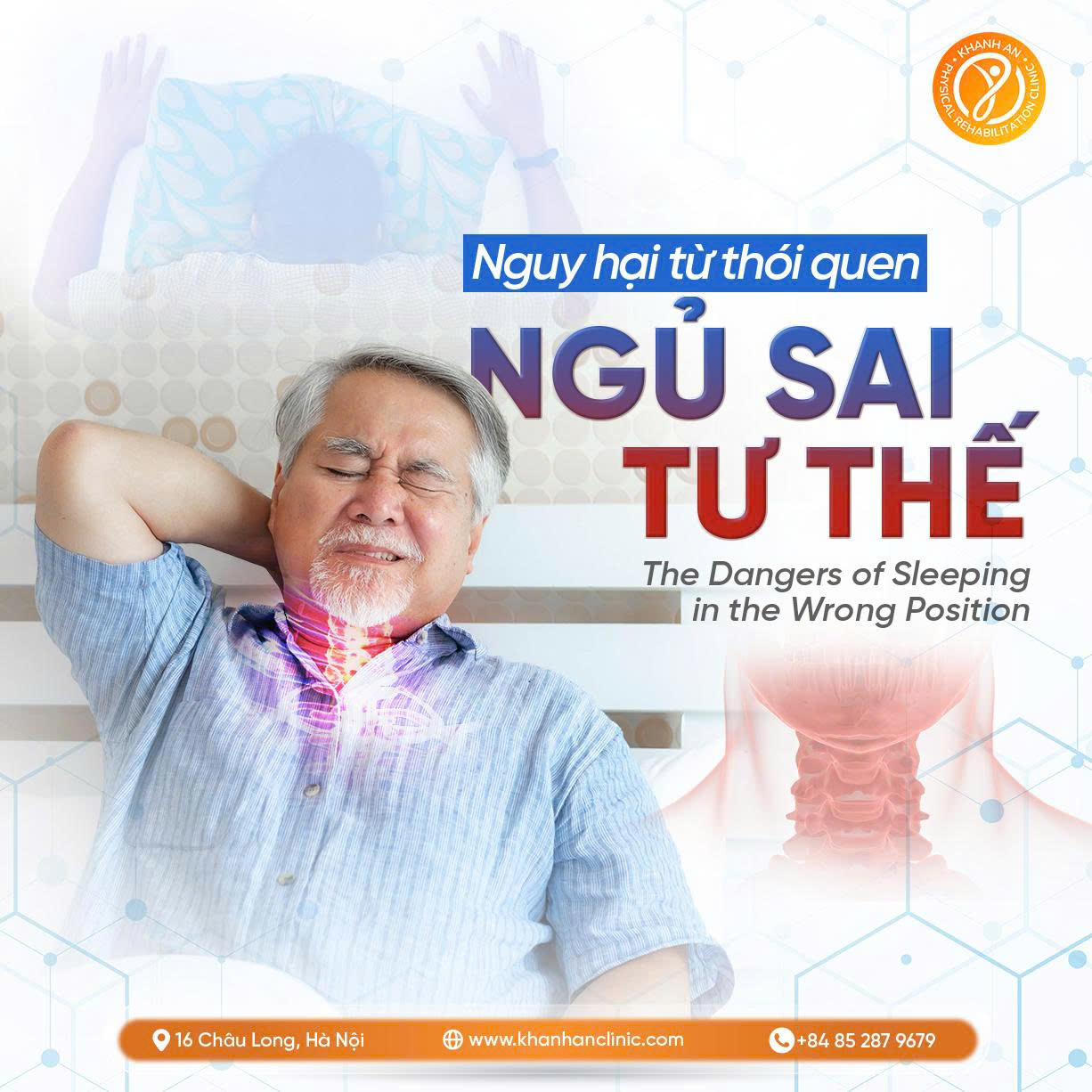
We all know how important sleep is for our health. However, few people realize that a poor sleeping posture—something seemingly harmless—can be a "silent culprit" causing serious damage to the musculoskeletal system, with long-term effects on quality of life.
Sleeping on Your Stomach: This is considered the most dangerous position. When you sleep on your stomach, your head is forced to turn to one side for extended periods, putting tremendous strain on your cervical spine, shoulder muscles, and back. The spine is bent contrary to its natural physiological curve, leading to severe neck, shoulder, and back pain upon waking.
Sleeping on Your Side with Arms Overhead: Sleeping on your side is generally a good position, but if you place your arms high above your head or straight out, you are inadvertently straining the muscles in your shoulders and arms. This posture can compress nerves, potentially causing arm numbness and chronic shoulder pain.
Fetal Position (Curled Up): While it may feel comforting, this position causes your back to curve excessively, preventing your joints and muscles from relaxing. Over time, it can cause morning stiffness and worsen back pain.
Sleeping on Your Back with a Pillow That's Too High or Too Low: The pillow plays a decisive role in supporting your neck. A pillow that is too high will flex the neck forward, while one that is too low will hyperextend it. Both disrupt the natural curve of the cervical spine, leading to neck pain and headaches.
Morning aches and pains are just the initial signs. If you maintain these bad habits, you could face risks such as:
Cervical Spondylosis: Long-term pressure on the cervical discs and joints accelerates degeneration, causing chronic neck and shoulder pain, limited mobility, and even nerve root compression.
Lower Back Pain and Herniated Discs: Poor sleeping positions increase pressure on the lumbar spine, compressing the spinal discs. Over time, this can lead to bulging or herniated discs, causing pain and numbness that radiates down the leg (sciatica).
Spinal Misalignment: In children and adolescents, consistently poor sleeping postures can affect spinal development, increasing the risk of misalignment or scoliosis.
Sleep Disorders: Pain disrupts deep sleep, leading to tossing, turning, and frequent waking. This creates a vicious cycle: poor sleep leads to more fatigue and exacerbates musculoskeletal pain.
Don't worry, you can easily prevent these risks with simple measures:
Prioritize Side and Back Sleeping:
Side Sleeping: Try to sleep on your left side for benefits to heart health and digestion. Place a pillow between your knees to keep your pelvis and spine aligned, reducing pressure on your hips and lower back.
Back Sleeping: This is the best position for evenly distributing body weight. Place a small pillow under your knees to support the natural curve of your lower back, allowing your body to relax completely.
Choose the Right Pillow and Mattress:
Pillow: Choose a pillow with moderate height to ensure your head, neck, and spine form a straight line. It shouldn't be too soft or too firm.
Mattress: A medium-firm mattress that provides good support is crucial. A mattress that is too soft will allow your spine to sag, while one that is too firm will create pressure points on your shoulders and hips.
Develop Good Pre-Sleep Habits: Perform some gentle stretching exercises, take a warm bath, or apply a warm compress to your neck and shoulders to relax your muscles. This will help you fall asleep more easily in a comfortable position.
Sleep is for restoring and healing the body. Start listening to your body today. Adjusting your sleeping posture and investing in suitable pillows and a mattress is not an expense—it's a smart investment in your long-term musculoskeletal health. This will help you wake up every morning full of energy, free from those annoying aches and pains.
Khanh An Clinic is the leading medical provider of physiotherapy and treatment for patients with various musculoskeletal conditions. We are dedicated to helping patients restore their full body function and achieve lasting recovery.