How to Preventing Shoulder Injuries
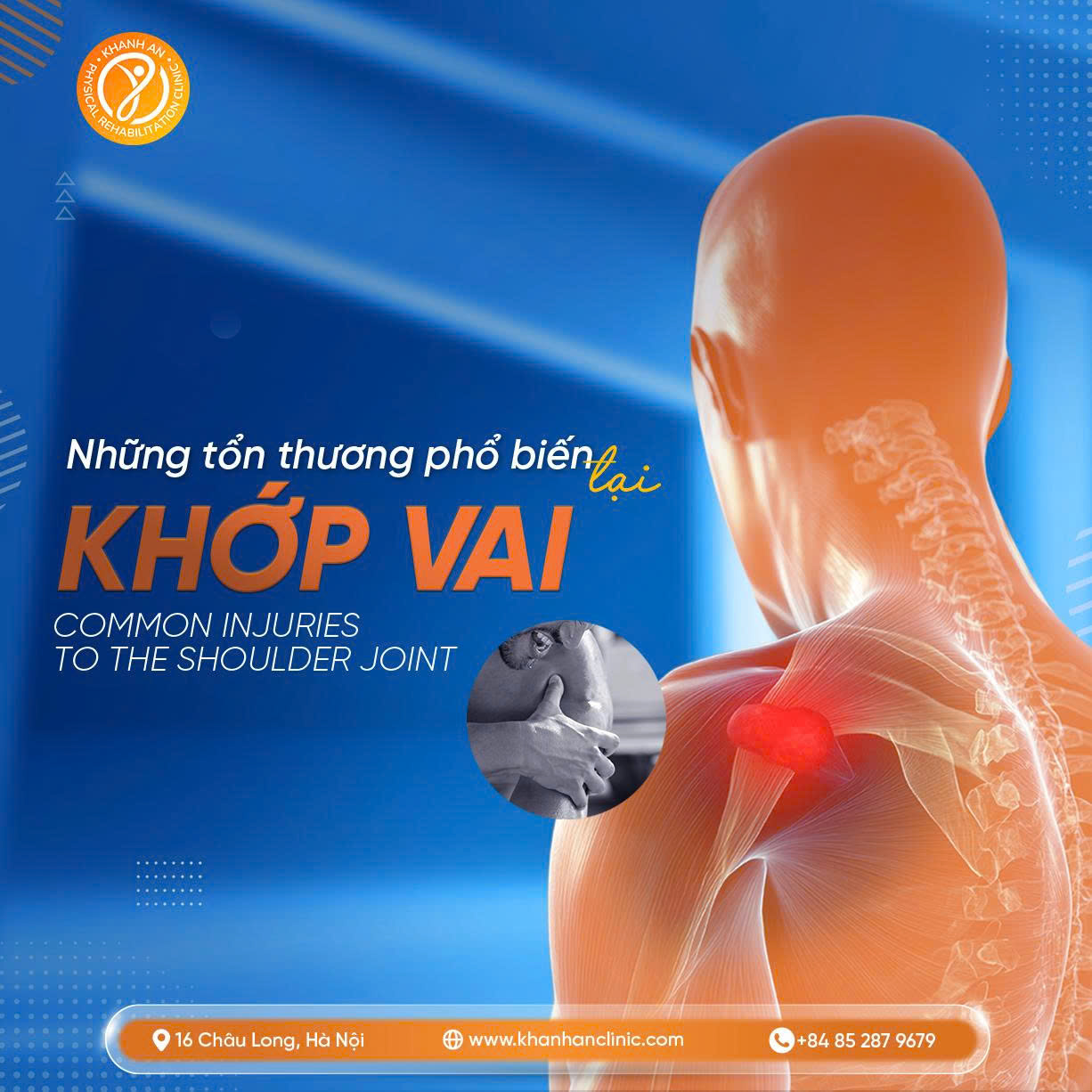
The shoulder joint is one of the most flexible joints in the body, allowing us to perform various movements such as rotation, lifting, pushing, and pulling. However, this flexibility also makes the shoulder prone to injuries due to trauma, overuse, or age-related degeneration. Below are some common shoulder injuries you may encounter.
A shoulder dislocation occurs when the head of the upper arm bone (humerus) pops out of the shoulder socket (glenoid). This is one of the most common shoulder injuries, often caused by falls, traffic accidents, or sports-related impacts.
Symptoms:
Severe shoulder pain
Visible deformity (the shoulder looks out of place)
Inability to move the shoulder
Swelling and bruising
Treatment:
A doctor must manually relocate the joint (reduction).
A sling may be needed for stabilization, followed by physical therapy.
The rotator cuff is a group of muscles and tendons that stabilize and move the shoulder joint. Tears can result from sudden injuries or gradual wear and tear.
Symptoms:
Shoulder pain, especially when lifting or rotating the arm
Weakness in the shoulder, making it hard to perform tasks like combing hair or reaching behind the back
Night pain that disrupts sleep
Treatment:
Rest, pain relievers, and ice application.
Physical therapy to strengthen shoulder muscles.
Severe cases may require arthroscopic surgery to repair the tendon.
Bursae are fluid-filled sacs that reduce friction between muscles, tendons, and bones. When these sacs become inflamed (bursitis) or tendons become irritated (tendinitis), pain and stiffness occur.
Causes:
Repetitive motions (e.g., tennis, swimming)
Minor but prolonged stress on the shoulder
Symptoms:
Pain when moving the shoulder
Swelling and warmth around the joint
Limited range of motion
Treatment:
Rest, ice, and anti-inflammatory medications.
Corticosteroid injections in severe cases.
Physical therapy for rehabilitation.
This condition occurs when rotator cuff tendons get pinched between the humerus and the shoulder blade during movement, leading to pain and inflammation.
Symptoms:
Pain when raising or lowering the arm
Increased pain when lying on the affected side
Shoulder weakness
Treatment:
Avoid movements that trigger pain.
Stretching and strengthening exercises.
Surgery may be needed to create more space in the joint if conservative treatments fail.
Osteoarthritis of the shoulder is common in older adults due to cartilage degeneration over time, causing pain and stiffness.
Symptoms:
Dull, gradually worsening pain
Morning stiffness and reduced mobility
Grinding sensation (crepitus) when moving the shoulder
Treatment:
Pain relievers and anti-inflammatory drugs.
Hyaluronic acid injections.
Physical therapy or joint replacement surgery in advanced cases.
A shoulder fracture usually results from a hard fall or accident, affecting the collarbone (clavicle), shoulder blade (scapula), or upper arm bone (humerus).
Symptoms:
Intense pain, swelling, and bruising
Inability to move the arm
Visible deformity (in severe fractures)
Treatment:
Cast immobilization or surgery for displaced fractures.
Rehabilitation exercises after healing.
Proper warm-up: Always stretch before sports or heavy lifting.
Strengthen shoulder muscles: Focus on rotator cuff and deltoid exercises.
Avoid overuse: Limit repetitive overhead motions.
Healthy diet: Consume calcium, vitamin D, and collagen for joint health.
The shoulder is vulnerable to injuries due to its complex structure and frequent use. If you experience persistent pain, swelling, or restricted movement, seek medical attention early to prevent long-term complications.
Khanh An Clinic is the leading medical provider of physiotherapy and treatment for patients with various musculoskeletal conditions. We are dedicated to helping patients restore their full body function and achieve lasting recovery.