Warning the Impact of Obesity on the Musculoskeletal System
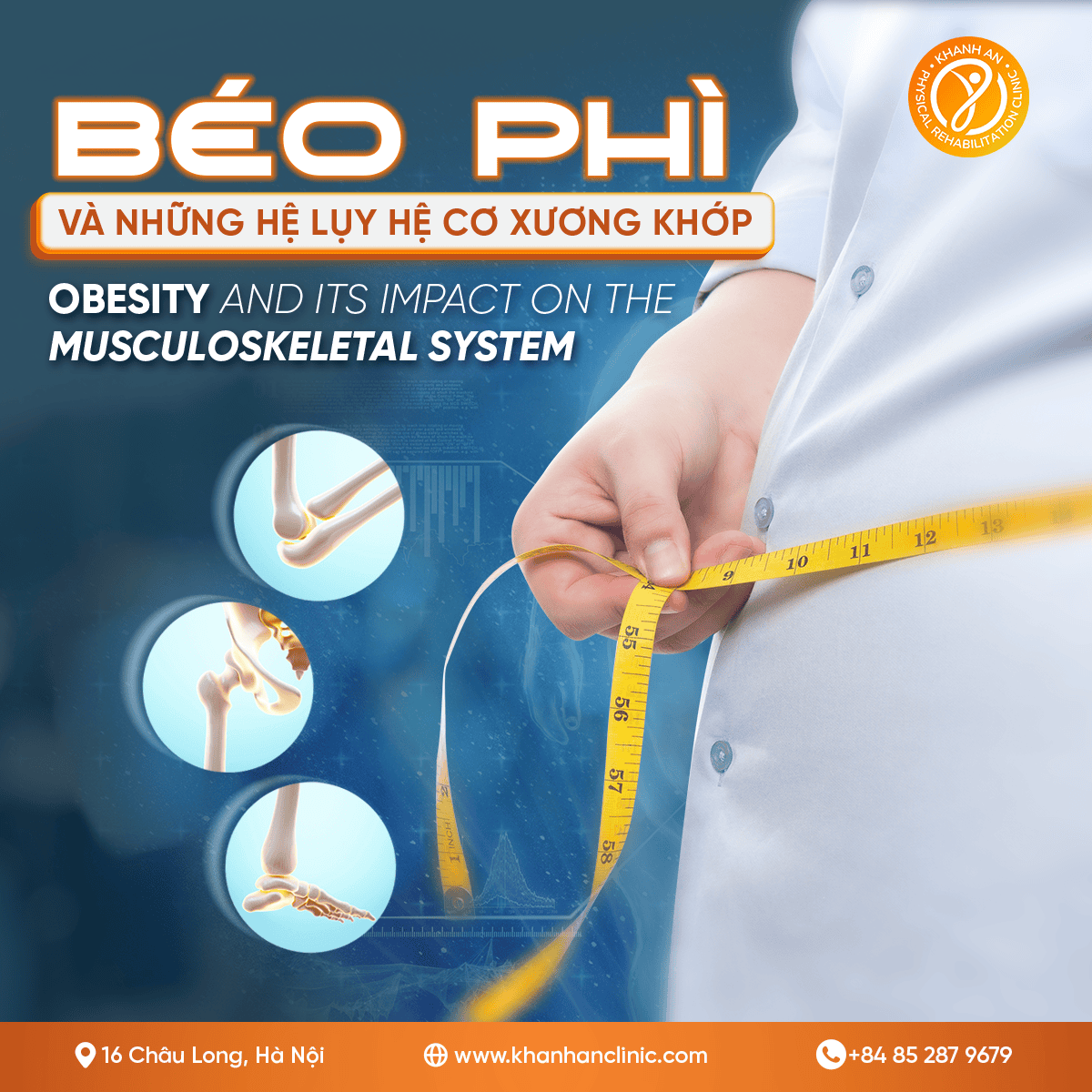
Obesity is not just a cosmetic concern but a serious medical condition that significantly affects overall health, particularly the musculoskeletal system. Excess body weight increases pressure on joints, accelerates degenerative processes, and contributes to various chronic diseases. This article explores the link between obesity and musculoskeletal issues while proposing preventive measures.
Obesity is characterized by excessive fat accumulation in the body, determined by the Body Mass Index (BMI). A BMI ≥ 25 indicates overweight, while a BMI ≥ 30 defines obesity. Primary causes include:
Excessive calorie intake (high sugar, fat).
Sedentary lifestyle.
Genetic factors or metabolic disorders.
Excess weight places additional stress on weight-bearing joints such as:
Knees: Every 0.5kg of body weight adds 1.5–2kg of pressure on the knees when walking. Obese individuals face a 4–5 times higher risk of early knee osteoarthritis.
Lumbar spine: Higher risk of herniated discs and sciatica due to excessive spinal load.
Hips: Accelerated hip joint degeneration.
Fat tissue (especially visceral fat) produces inflammatory cytokines (e.g., IL-6, TNF-α), promoting cartilage breakdown. Obesity also reduces synovial fluid, increasing joint friction.
Obesity raises uric acid levels due to metabolic dysfunction, leading to urate crystal deposits in joints (commonly the big toe), causing severe pain.
Physical inactivity leads to muscle atrophy, reducing joint support and creating a vicious cycle: pain → limited mobility → weight gain → worsened joint damage.
Weight control: Losing 5–10% of body weight significantly reduces joint stress.
Balanced diet: Increase vegetables, lean proteins; limit fried foods and sugar.
Low-impact exercise: Walking, swimming, yoga (avoid high-impact activities like running).
Physical therapy: Strengthen core muscles to support joints.
Early medical consultation: Seek evaluation for persistent joint pain to prevent complications.
Obesity is a leading risk factor for musculoskeletal damage, severely impacting quality of life. Weight management and a healthy lifestyle are key to long-term joint health. Take action today to avoid irreversible consequences!
References: WHO, National Institute of Nutrition, American College of Rheumatology (ACR).
Khanh An Clinic is the leading medical provider of physiotherapy and treatment for patients with various musculoskeletal conditions. We are dedicated to helping patients restore their full body function and achieve lasting recovery.