Cervical Disc Herniation symptoms you should pay attention to
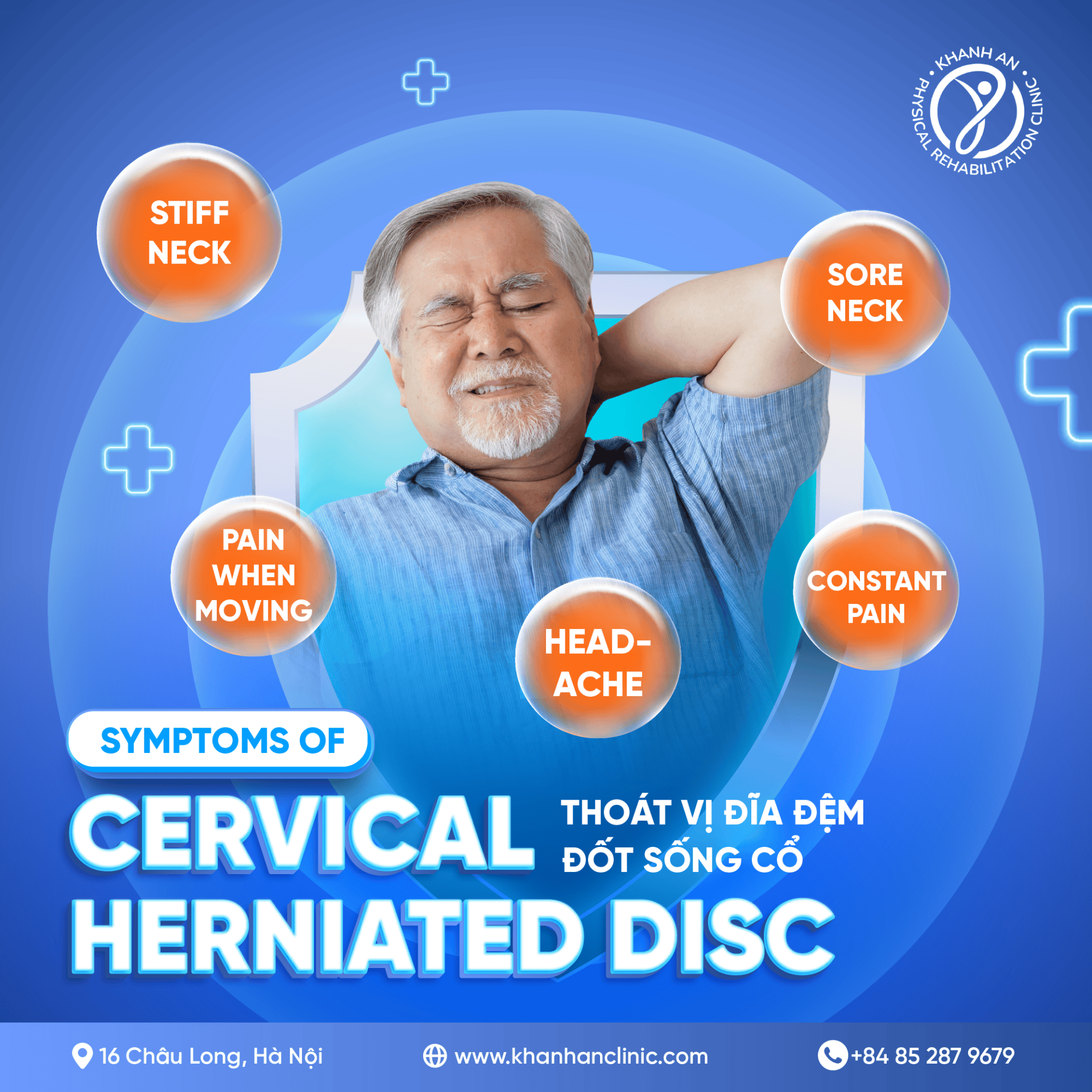
Cervical disc herniation is one of the most common musculoskeletal disorders, severely affecting the quality of life of patients. This condition occurs when the soft inner material of a spinal disc protrudes out of its normal position, compressing nerve roots or the spinal cord, leading to symptoms such as pain, numbness, and limited mobility. Early recognition of the signs of this condition can help us seek timely treatment and avoid dangerous complications.
One of the first signs of cervical disc herniation is pain in the neck and shoulder area. The pain may appear suddenly or persist as a dull ache, especially when moving the neck, bending the head, or rotating the neck. The pain may radiate to the shoulders, arms, and even the hands.
When a herniated disc compresses the nerves, the patient may experience numbness and tingling in the neck, shoulders, arms, or fingers. This symptom often occurs on one side of the body and may worsen at night or after excessive activity.
Cervical disc herniation can cause muscle weakness in the neck, shoulders, and arms. Patients may find it difficult to grip objects or even struggle with simple tasks like writing, typing, or lifting heavy objects. This is a sign that the nerves are being severely compressed.
Patients often experience stiffness in the neck, making it difficult to turn or bend the head. Neck movements become painful and challenging, particularly when tilting the head backward or sideways. This significantly impacts daily activities and work.
Cervical disc herniation can compress the blood vessels that supply the brain, leading to headaches, dizziness, and blurred vision. Patients may feel fatigued, have difficulty concentrating, and experience memory decline.
In severe cases, cervical disc herniation can cause sensory disturbances in the hands and feet. Patients may feel a burning sensation, numbness, or even a complete loss of sensation in the limbs. This is a warning sign that the condition has progressed and requires immediate medical attention.
In serious cases, cervical disc herniation can compress the spinal cord, leading to digestive and urinary dysfunction. Patients may experience difficulty controlling bowel or bladder movements, resulting in incontinence or constipation.
If you notice any of the above symptoms, especially if the pain persists, numbness spreads, or muscle weakness occurs, you should consult a specialist as soon as possible. Early diagnosis and treatment can help prevent dangerous complications such as muscle atrophy, limb paralysis, or permanent nerve damage.
Maintain proper posture while working, studying, and performing daily activities.
Avoid lifting heavy objects or overexerting yourself.
Exercise regularly to strengthen muscles and bones.
Follow a healthy diet, ensuring adequate intake of calcium and vitamin D.
Cervical disc herniation is a condition that should not be taken lightly. Early recognition of its signs and timely treatment can help patients avoid serious consequences and improve their quality of life. Listen to your body and do not ignore any unusual pain or discomfort!
Khanh An Clinic is the leading medical provider of physiotherapy and treatment for patients with various musculoskeletal conditions. We are dedicated to helping patients restore their full body function and achieve lasting recovery.