Practice Yoga Correct to avoid Injuries
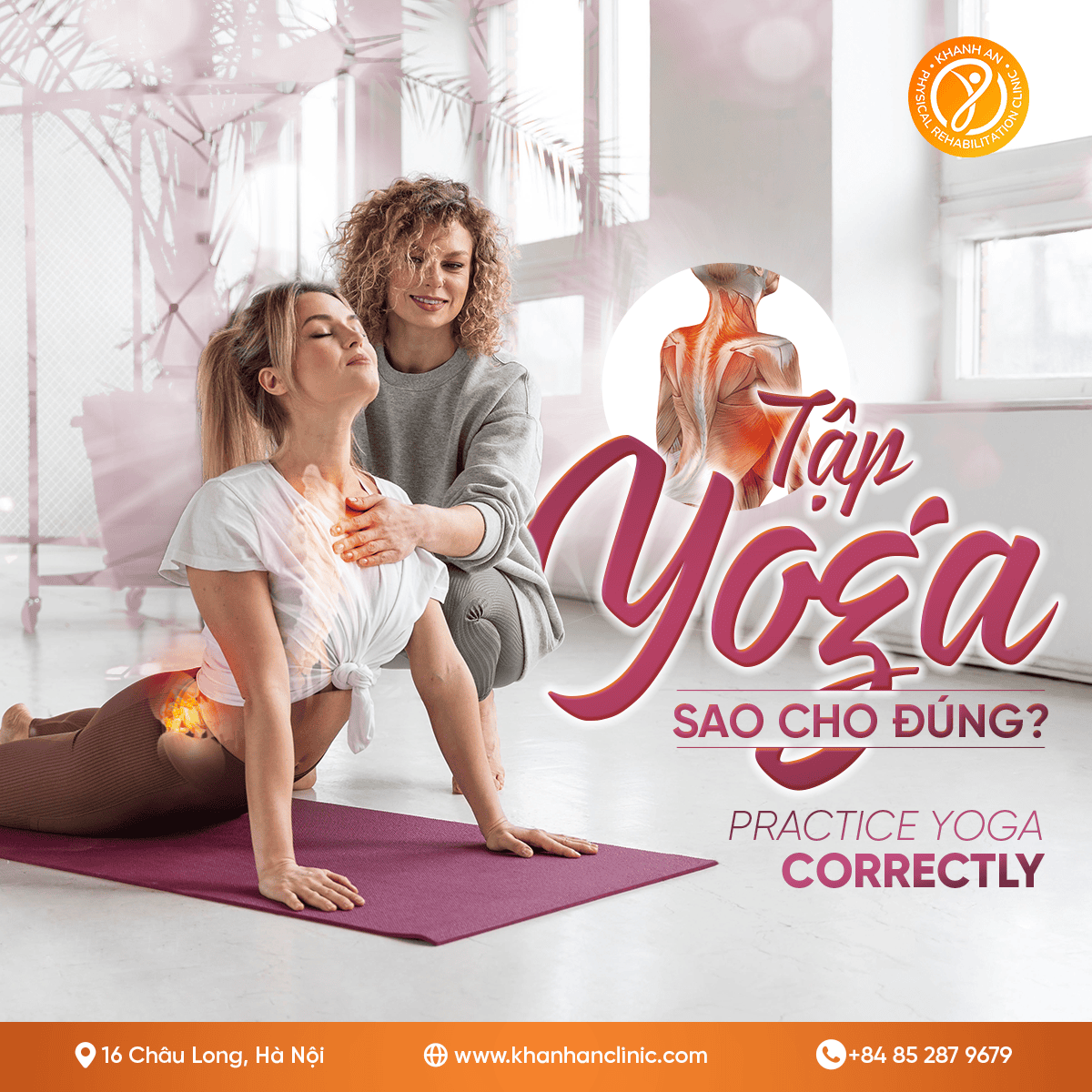
Yoga is a discipline that offers numerous benefits for both physical and mental health, enhancing flexibility, reducing stress, and improving joint function. However, incorrect practice can lead to injuries or harm to the musculoskeletal system. Below are key principles for practicing yoga safely and effectively.
Spend 5–10 minutes warming up (rotating wrists and ankles, gentle twists, stretching) to prepare the body and increase joint mobility.
Warming up improves blood circulation, reducing the risk of muscle strains or joint misalignment during challenging poses.
Avoid forcing your body into poses beyond your current ability, especially if you're a beginner or have joint issues.
Use props (straps, yoga blocks, blankets) to modify poses as needed. For example:
If you can’t touch the floor in Forward Fold (Uttanasana), place your hands on a yoga block.
Use a strap in Seated Forward Bend (Paschimottanasana) if you can’t reach your feet.
Deep, steady breathing helps relax muscles and prevents tension when holding poses.
General rule: Inhale during expansion (chest open, backbends), exhale during folds or twists.
Common mistakes and corrections:
Downward-Facing Dog (Adho Mukha Svanasana):
Wrong: Locked elbows, overly rounded back.
Right: Press palms firmly into the mat, lift hips high, keep the spine straight.
Warrior Pose (Virabhadrasana):
Wrong: Front knee extends past the toes, straining the knee joint.
Right: Keep the knee at a 90-degree angle, aligned with the ankle.
Those with neck issues: Avoid headstands (Sirsasana) or shoulder stands (Sarvangasana).
Those with lower back pain: Avoid deep forward bends or sudden twists.
Modify with gentler alternatives, e.g., instead of Plow Pose (Halasana), lie on your back and hug your knees.
Spend 5–10 minutes in Corpse Pose (Savasana) to allow the body to recover and release muscle tension.
If you feel sharp pain in joints or muscles, or experience difficulty breathing, stop immediately. Pain is not a sign of progress!
Practice with an instructor if you’re a beginner or have a history of injuries.
Yoga only delivers benefits when practiced correctly. Be patient, respect your body, and combine mindful breathing to protect your musculoskeletal system while fully enjoying yoga’s advantages.
Note: If you have pre-existing joint or spinal conditions (e.g., arthritis, herniated discs), consult a doctor or a therapeutic yoga specialist before starting.
Khanh An Clinic is the leading medical provider of physiotherapy and treatment for patients with various musculoskeletal conditions. We are dedicated to helping patients restore their full body function and achieve lasting recovery.